
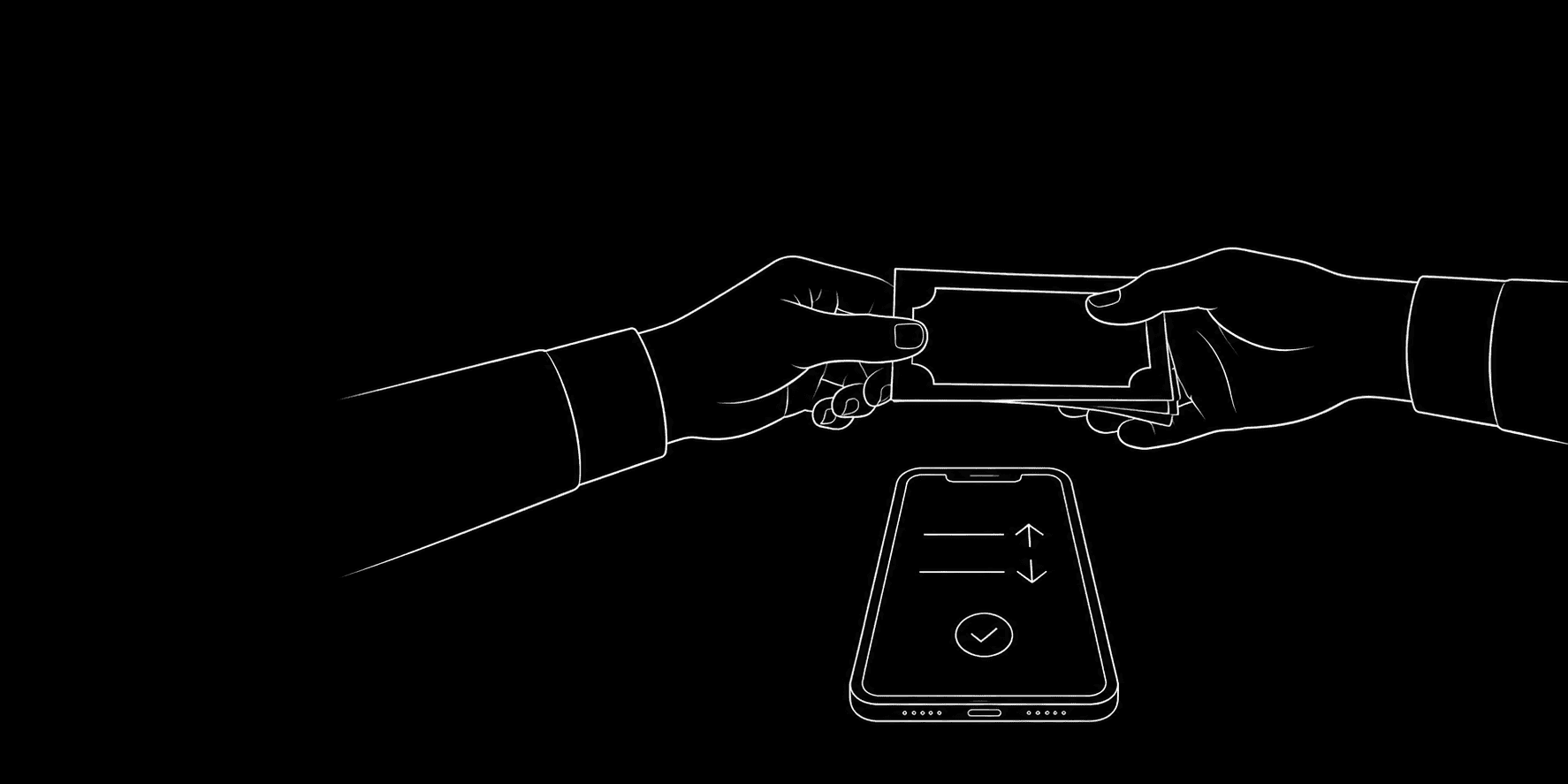
You paid for the group dinner. You covered a friend's cab because their UPI failed. You lent your cousin ₹5,000 "just till next week." Individually, none of it feels worth tracking. Collectively, it's often several thousand rupees floating around that you'll never see again — not because anyone's dishonest, but because everyone genuinely forgot.
Lending between friends and family is one of the most under-tracked parts of personal finance in India, precisely because it feels rude to treat it like a ledger. But keeping a quiet record for yourself isn't rude — it's what keeps the friendship intact. The money you don't have to awkwardly chase is the money you tracked from the start.
Why lent money slips through the cracks
Money you lend disappears from your tracking for three reasons:
- It doesn't feel like an expense. You expect it back, so mentally you don't file it as "spent." But until it returns, it's gone from your usable balance — with none of the visibility a normal expense gets.
- The amounts feel too small to note. ₹200 here, ₹500 there. Each one is forgettable on its own. Ten of them are a real dent.
- Bringing it up feels awkward. So you wait for them to remember. They don't. Now it's been two months and reminding them feels petty.
A private tracking habit fixes all three at once. You're not confronting anyone — you're just keeping your own books straight.
The two directions you need to track
Good lending tracking isn't just "who owes me." It's two-way:
- Owed to me — money you've lent out and expect back
- I owe — money others have covered for you
Most people only think about the first, but tracking both is what makes the system feel fair rather than stingy. When your friend covered the movie tickets last week and you covered dinner this week, a two-way record means nobody has to keep a mental tally or feel short-changed. It also means when someone does settle up, you both actually agree on the number.
A simple system that works
You don't need a spreadsheet or a formal loan agreement for everyday amounts. You need three things recorded at the moment it happens:
1. The amount and the person. "₹5,000 — Arjun." Log it the same way you'd log any expense, but tagged as lent, not spent.
2. What it was for (optional but useful). "Rent gap" or "concert tickets." Two months later, this one word saves an awkward "wait, what was that for again?" conversation.
3. The direction. Owed to you, or owed by you. This is what lets you see a clean running total of your position with each person.
The critical move is logging it immediately, in the same place you track everything else — not in a separate notes app you'll never open again. If lent money lives alongside your regular expenses, you'll actually see it.
Settling up without the friction
When money comes back, mark it received — don't just delete the record. Keeping the settled history means that if there's ever confusion ("didn't I already pay you back?"), you have a quiet, factual answer without it turning into a disagreement.
For recurring situations — a flatmate you're constantly splitting bills with, a sibling you regularly cover for — a running balance is far saner than tracking every individual transaction. You just need to know the net: "Priya owes me ₹1,200 overall" is more useful than ten separate ₹120 entries you have to add up in your head.
When it's a real loan, treat it like one
There's a difference between "covered your auto fare" and "lent you ₹50,000 for an emergency." For larger amounts, especially with family, a little more structure protects everyone:
- Note the date it was given
- Agree on whether and when it comes back (even a loose "by Diwali" helps)
- If it's being repaid in parts, track what's been paid and what's left
This isn't about distrust. It's that memory is unreliable and money is emotional — and a clear record means a large loan never quietly becomes a source of resentment between people who care about each other.
The real payoff
The goal was never to nickel-and-dime your friends. It's this: you get to be generous and keep your own finances honest. You lend freely because you know you won't forget, and you never have to choose between an awkward reminder and silently eating the loss.
And when you look at your actual monthly spending, it's finally accurate — because the ₹8,000 you lent out isn't masquerading as ₹8,000 you spent.