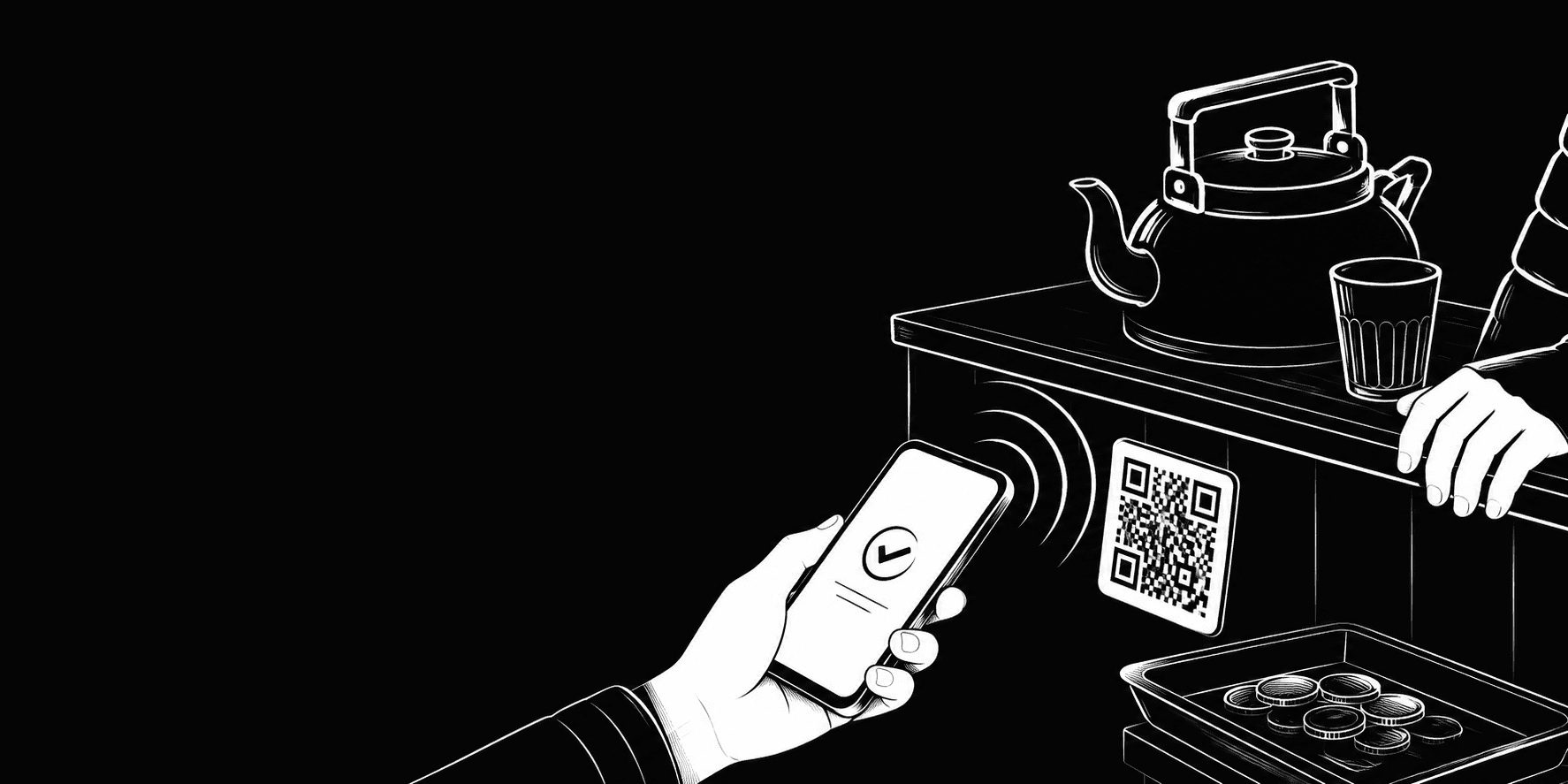

You've finally got your digital spending under control — UPI logged, cards tracked, budgets set. And then there's the black hole: the ₹2,000 you withdrew from the ATM that just... vanished. No statement line for the vegetable vendor, the auto ride, the roadside snack, or the tip. Cash is the one form of spending your bank can't see, which makes it the one form of spending most people never track.
In a country where a huge amount of everyday life still runs on cash — the sabziwala, the local tea shop, small vendors, temple offerings, the barber — ignoring cash means your entire budget is quietly wrong. This is how to fix that without carrying a notebook everywhere.
Why cash is the hardest thing to track
Digital payments leave a trail whether you want one or not. Cash leaves nothing. Once a ₹500 note leaves your wallet, there's no timestamp, no merchant name, no record at all — except your memory, which is exactly the thing you can't rely on.
Worse, cash spending tends to be small, frequent, and forgettable: the ₹10 parking, the ₹30 tender coconut, the ₹50 to the delivery guy. These are precisely the amounts your brain refuses to remember by evening. So the money's gone, and you have no idea where.
The trap most people fall into is treating the ATM withdrawal itself as the "expense." You log "₹2,000 — ATM" and move on. But that's not spending — that's just moving money from your account to your pocket. You still have no idea what the cash actually bought.
The mindset shift: the ATM is a transfer, not a spend
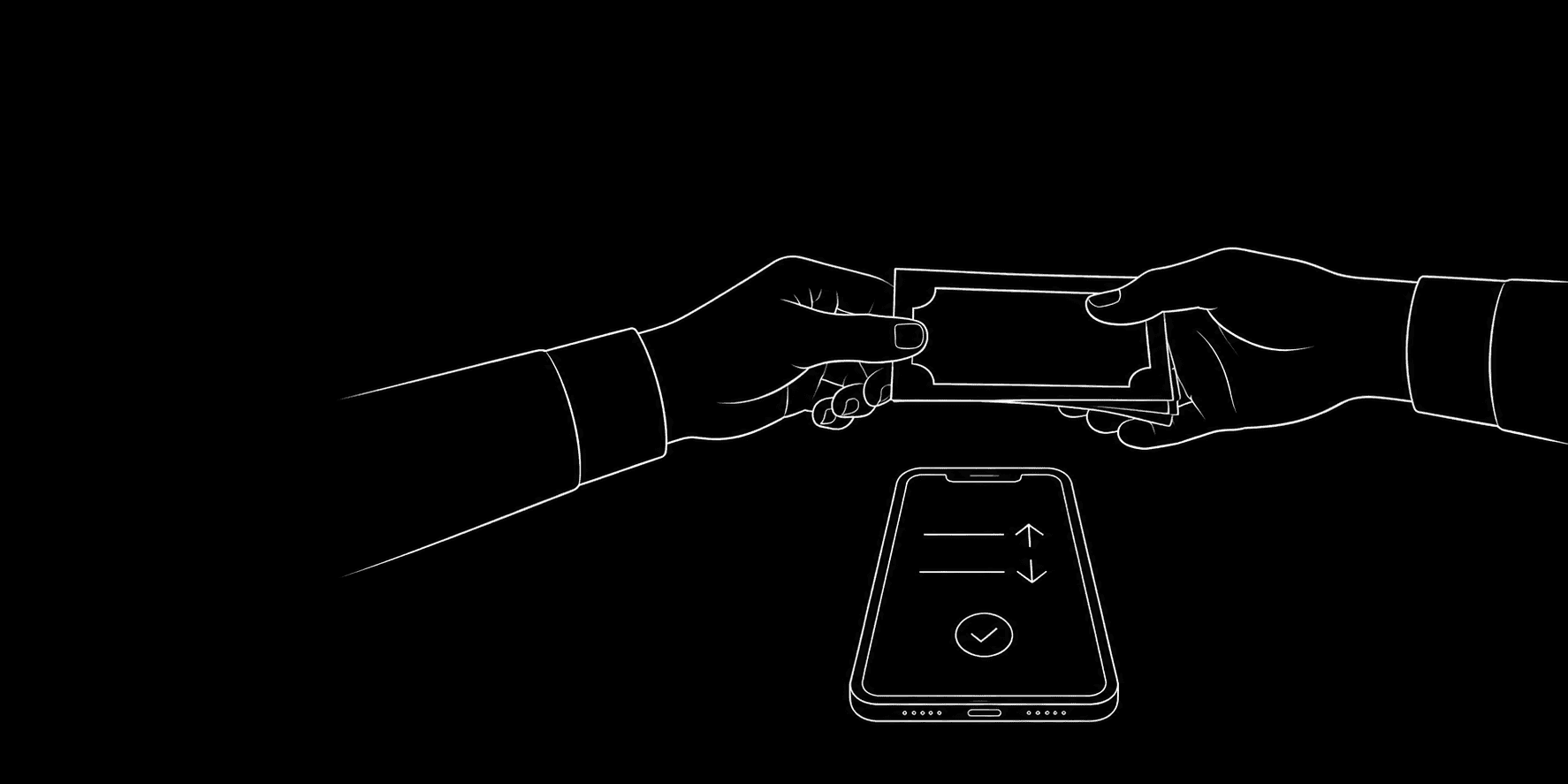
Here's the reframe that makes everything click. When you withdraw cash, you haven't spent anything yet — you've just moved money into a "Cash wallet." Your total wealth is unchanged. The spending happens later, when the cash leaves your hands.
So the model is:
- ATM withdrawal → money moves from bank to your cash wallet (a transfer, not an expense)
- Buying vegetables with cash → an actual expense, drawn from the cash wallet
Once you think of your physical cash as its own account — a wallet with a balance, just like your bank — tracking it becomes exactly like tracking anything else. And you get a built-in accuracy check: the balance your tracker thinks is in your pocket should roughly match the notes actually there.
Three practical ways to track cash
1. Log each cash spend as it happens
The gold standard, same as digital: pay the vendor, then take five seconds to log "₹40 — vegetables — Cash." Because cash spends are often tiny and rushed, this takes discipline at first, but it's the only method that's genuinely accurate.
2. The end-of-day count
If real-time logging is unrealistic for small cash spends, use the reconciliation method. At the end of the day, count the cash actually in your wallet. If your tracker says you should have ₹1,500 and you have ₹1,100, you spent ₹400 today — log it, even if you can only roughly split it ("₹400 — food & sundry"). It's not perfectly itemised, but the total is exactly right, which is what your budget needs most.
3. The envelope approach for problem categories
If cash spending is where your budget consistently blows up, allocate a fixed amount of physical cash for a category at the start of the week — say ₹1,000 for eating out — and only spend from that. When the cash is gone, you're done for the week. It's an old method for a reason: physical scarcity is a far stronger brake than a number on a screen.
Don't let perfect be the enemy of tracked
Cash tracking is where most people quit, because they aim for a perfect itemised record of every ₹5 and burn out. Don't. The realistic goal is:
- Know your cash total is accurate, even if the individual items are rough
- Capture the big cash spends precisely (the ₹800 you paid the electrician)
- Round or estimate the trivial ones rather than abandoning the whole effort
A budget that's 90% accurate including cash beats a "perfect" digital-only budget that silently ignores a third of your real spending.
Bringing cash and digital into one view
The whole point is a single, honest picture. If your UPI and cards live in one app and your cash lives in your head, you don't have a budget — you have half a budget. Keeping a cash wallet inside the same tracker as your bank accounts means your net worth, your category spending, and your budgets all finally reflect reality — coconut vendor included.